
Digital marketing is the practice of promoting products, services, brands, or organizations through digital channels and technologies. Unlike traditional marketing, which relies on mediums such as newspapers, television, radio, and billboards, digital marketing uses the internet and electronic devices to connect businesses with their target audience. It has become one of the most important aspects of modern business because people spend a significant amount of their time online, using search engines, social media platforms, websites, mobile applications, and email.
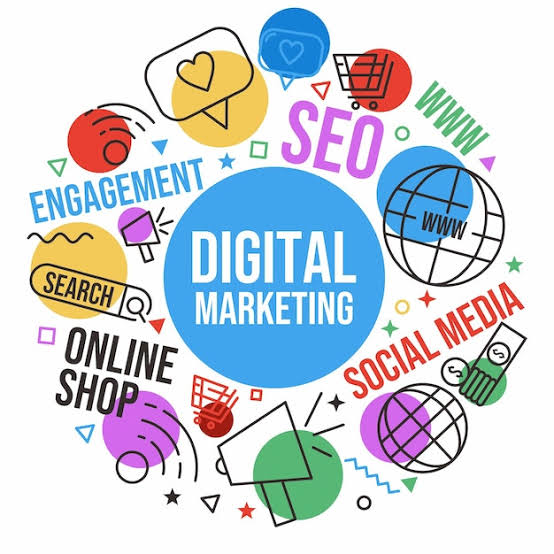
The primary goal of digital marketing is to reach potential customers, engage them with relevant content, and encourage them to take a desired action, such as making a purchase, signing up for a newsletter, downloading an application, or contacting a business. Digital marketing allows organizations to communicate directly with consumers in a more personalized and measurable way than many traditional marketing methods.
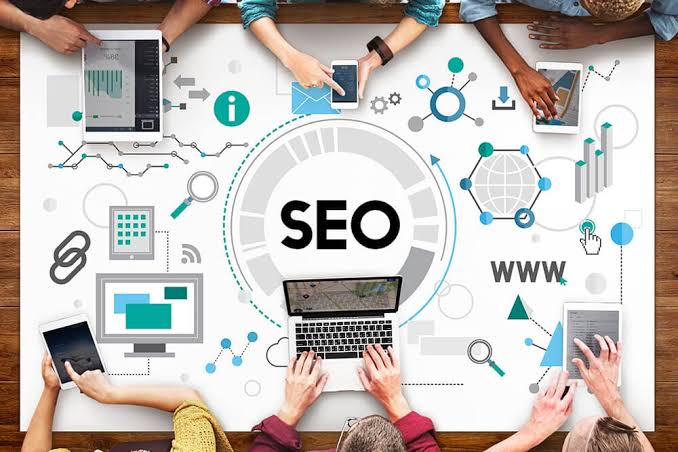
One of the most important components of digital marketing is Search Engine Optimization (SEO). SEO involves improving a website’s content, structure, and technical performance so that it ranks higher in search engine results. When users search for information, products, or services online, websites that appear on the first page of search results are more likely to receive visitors. Effective SEO helps businesses increase their visibility and attract organic traffic without paying for advertisements.
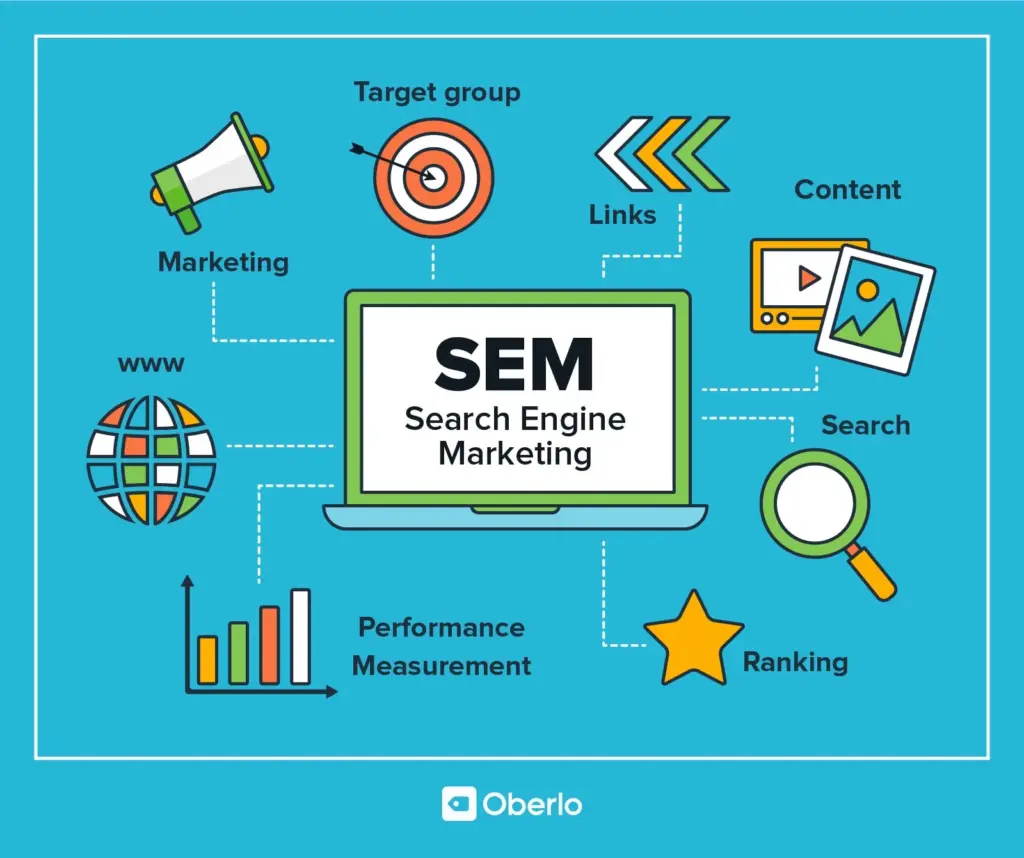
Another major area is Search Engine Marketing (SEM) or Pay-Per-Click (PPC) advertising. In this approach, businesses pay to display advertisements on search engines and other digital platforms. Advertisers are typically charged only when users click on their ads. PPC campaigns allow businesses to target specific keywords, locations, demographics, and interests, making them highly effective for reaching potential customers.
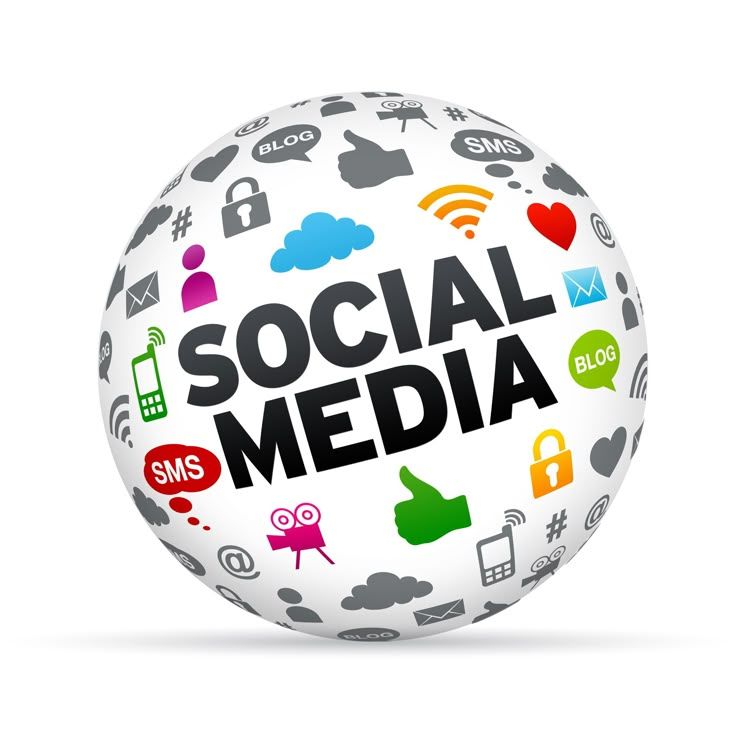
Social Media Marketing is also a key element of digital marketing. Businesses use social media platforms to share content, interact with audiences, build brand awareness, and promote products or services. Through regular posts, videos, stories, and advertisements, organizations can engage directly with customers and create long-term relationships. Social media also enables brands to receive immediate feedback and respond to customer questions or concerns.

Content marketing focuses on creating and distributing valuable, relevant, and consistent content to attract and retain a target audience. This content may include blog articles, videos, infographics, podcasts, e-books, and guides. Instead of directly promoting a product, content marketing aims to provide useful information that helps potential customers solve problems or make informed decisions. High-quality content can build trust, establish authority, and improve customer loyalty.

Email marketing remains one of the most effective digital marketing strategies. Businesses use email to communicate with customers, promote products, share updates, and nurture leads. Personalized email campaigns can help increase customer engagement and encourage repeat purchases. Because emails can be tailored to specific audience segments, they often generate strong returns on investment.
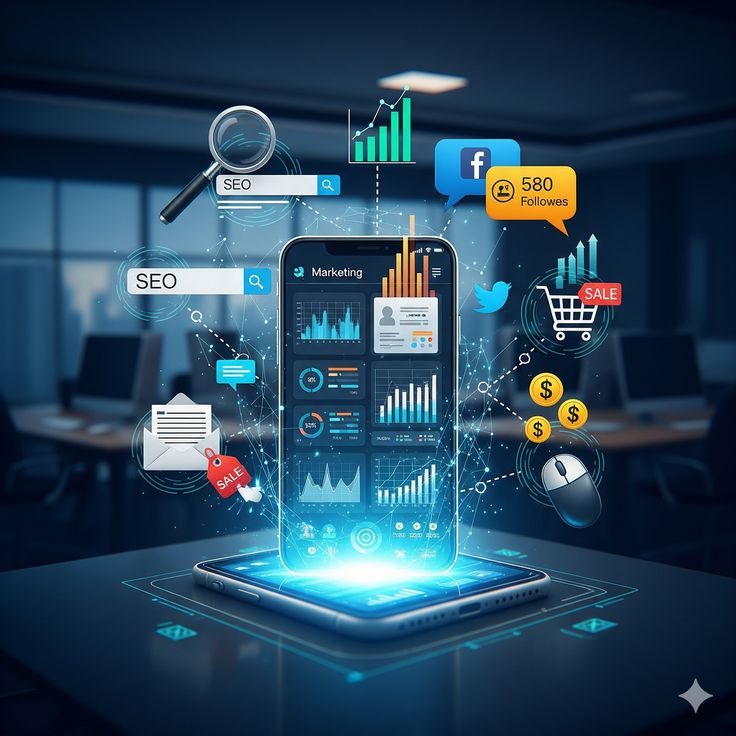
Mobile marketing has grown rapidly with the widespread use of smartphones and tablets. This type of marketing includes mobile-friendly websites, text message campaigns, mobile applications, and location-based advertising. Since many consumers access the internet primarily through mobile devices, businesses must ensure that their digital marketing efforts provide a seamless mobile experience.
A significant advantage of digital marketing is its ability to measure performance accurately. Marketers can track metrics such as website traffic, click-through rates, conversion rates, customer engagement, and return on investment. Analytics tools provide valuable insights into customer behavior, helping businesses refine their strategies and improve results over time.
Digital marketing offers numerous benefits. It enables businesses to reach a global audience, target specific customer groups, reduce marketing costs, and achieve measurable outcomes. Small businesses can compete with larger organizations by using creative digital strategies and reaching customers directly online. Additionally, digital marketing allows for real-time communication and rapid adjustments to campaigns based on performance data.
In conclusion, digital marketing is a modern approach to promoting products, services, and brands through digital channels. It includes various strategies such as SEO, PPC advertising, social media marketing, content marketing, email marketing, and mobile marketing. By leveraging technology and data, businesses can connect with their audiences more effectively, build stronger relationships, and achieve their marketing goals. As digital technologies continue to evolve, digital marketing will remain a critical tool for business growth and success in the modern world.