
Paid advertising is a digital marketing strategy in which businesses pay to display their promotional content to a targeted audience through various online and offline channels. Unlike organic marketing, which relies on unpaid methods such as search engine optimization (SEO), social media engagement, or content marketing, paid advertising provides businesses with immediate visibility and faster access to potential customers. It is one of the most effective ways to increase brand awareness, generate leads, drive website traffic, and boost sales.

In today’s competitive business environment, paid advertising has become an essential component of marketing strategies for organizations of all sizes. Companies use paid advertisements to reach specific audiences based on demographics, interests, behaviors, location, and online activities. This targeted approach helps businesses maximize their marketing budgets by ensuring that their advertisements are shown to people who are most likely to be interested in their products or services.
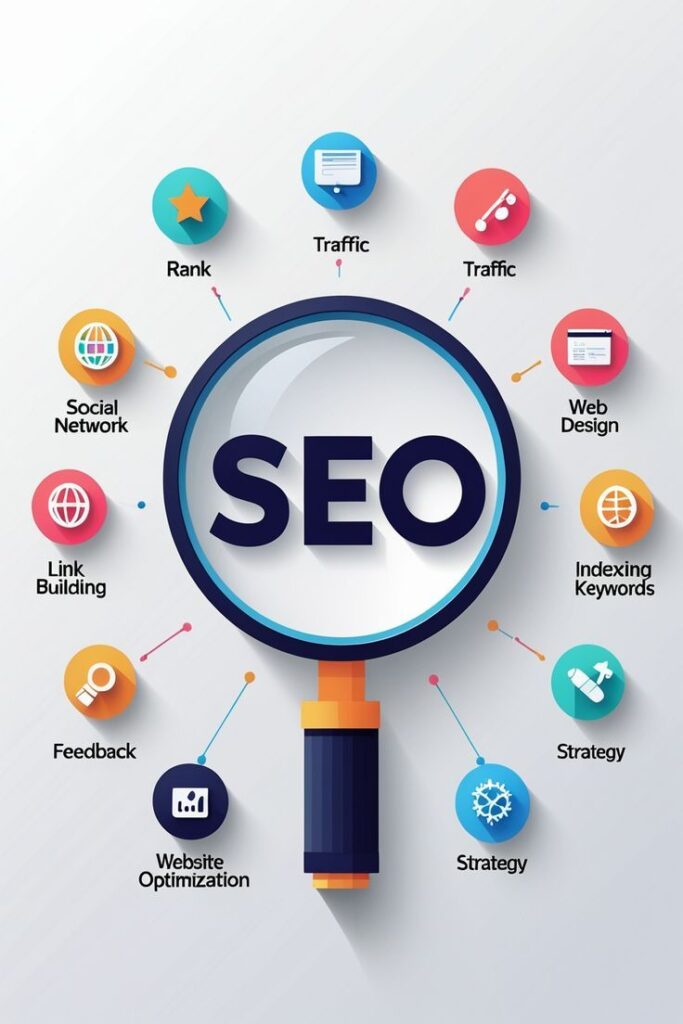
One of the most common forms of paid advertising is Pay-Per-Click (PPC) advertising. In PPC campaigns, advertisers pay a fee each time a user clicks on their advertisement. Search engines such as Google offer PPC platforms where businesses can bid on keywords related to their products or services. When users search for those keywords, the advertisements appear at the top of search engine results pages. This method allows companies to attract highly relevant traffic and increase the likelihood of conversions.

Social media advertising is another popular form of paid advertising. Platforms such as Facebook, Instagram, LinkedIn, and TikTok provide businesses with advanced targeting options. Advertisers can create campaigns based on factors such as age, gender, interests, job title, location, and purchasing behavior. Social media ads can appear as images, videos, carousel posts, stories, or sponsored content, making them highly engaging and effective for reaching large audiences.

Display advertising is another important category of paid advertising. Display ads are visual advertisements that appear on websites, blogs, mobile applications, and online platforms. These ads often include images, animations, or videos designed to attract users’ attention. Businesses use display advertising to increase brand awareness, promote products, and encourage website visits. Display ads can be targeted based on user interests, browsing history, and website content, ensuring that advertisements are shown to relevant audiences.

Video advertising has gained significant popularity due to the growing consumption of online video content. Businesses create promotional videos that appear before, during, or after online video content. Video advertisements are commonly used on platforms such as YouTube and social media networks. These ads can effectively communicate brand messages, demonstrate products, and engage viewers through storytelling and visual appeal.
A major advantage of paid advertising is precise audience targeting. Traditional advertising methods such as television, radio, and print media often reach broad audiences with varying levels of interest. In contrast, digital paid advertising allows businesses to focus on specific customer segments. This targeted approach improves campaign efficiency and increases the chances of achieving marketing objectives. Businesses can also retarget users who have previously visited their websites or interacted with their content, helping to improve conversion rates.
Another benefit of paid advertising is measurable performance. Digital advertising platforms provide detailed analytics and reporting tools that allow marketers to track campaign performance in real time. Metrics such as impressions, clicks, click-through rates (CTR), conversions, cost per click (CPC), and return on investment (ROI) help businesses evaluate the effectiveness of their campaigns. By analyzing this data, marketers can make informed decisions and optimize advertisements for better results.
Despite its advantages, paid advertising also presents challenges. Competition for popular keywords and audience segments can increase advertising costs. Businesses must carefully manage budgets and continuously optimize campaigns to achieve desired outcomes. Poorly designed advertisements, ineffective targeting, or weak landing pages can result in low conversion rates and wasted spending. Therefore, successful paid advertising requires strategic planning, audience research, creative content, and ongoing performance analysis.
Paid advertising works best when integrated with other digital marketing strategies. Combining paid campaigns with SEO, content marketing, email marketing, and social media engagement can create a comprehensive marketing approach that maximizes visibility and customer engagement. While paid advertising can deliver immediate results, long-term success often depends on building strong relationships with customers and maintaining a consistent online presence.
In conclusion, paid advertising is a powerful marketing method that enables businesses to promote their products and services to targeted audiences through paid channels. Whether through search engines, social media platforms, display networks, or video content, paid advertising provides immediate visibility, measurable results, and precise audience targeting. When planned and executed effectively, it can significantly contribute to business growth, customer acquisition, and overall marketing success. As digital technologies continue to evolve, paid advertising remains one of the most valuable tools available to modern marketers seeking to achieve competitive advantages in the marketplace.