
Social media has become an essential part of our daily lives. People use platforms like Facebook, Instagram, YouTube, LinkedIn, X (formerly Twitter), Pinterest, and Snapchat to communicate, learn, shop, and stay entertained. Businesses have also recognized the power of these platforms and use them to promote their products and services. This process is known as Social Media Marketing (SMM).
Social Media Marketing is one of the most effective forms of digital marketing because it allows businesses to connect directly with their target audience, build brand awareness, generate leads, and increase sales. Whether you are a small business owner, a freelancer, or a large company, social media marketing can help you grow your online presence and achieve your business goals.
What is Social Media Marketing?
Social Media Marketing (SMM) is the process of using social media platforms to promote a brand, product, or service. It involves creating and sharing valuable content, interacting with followers, running paid advertisements, and analyzing performance to achieve marketing objectives.
Unlike traditional marketing, social media marketing enables two-way communication. Customers can like, comment, share, send messages, and provide feedback, helping businesses build stronger relationships with their audience.
Why is Social Media Marketing Important?
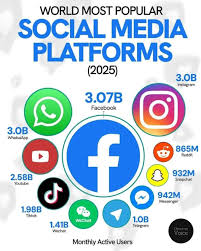
Social media marketing has become important because billions of people use social media every day. Businesses can reach potential customers quickly, increase brand visibility, and promote products at a lower cost than many traditional advertising methods.
Key Benefits of Social Media Marketing
1. Increases Brand Awareness
Social media helps businesses introduce their brand to a larger audience. Consistent posting and engaging content make the brand more recognizable and memorable.
2. Connects with Customers
Businesses can communicate directly with customers through comments, direct messages, and live sessions. This builds trust and improves customer relationships.
3. Generates Website Traffic
Sharing blog posts, product pages, and website links on social media encourages users to visit the business website, increasing traffic and potential sales.
4. Cost-Effective Marketing
Creating a social media account is free, and even paid advertising can fit different budgets. Small businesses can compete with larger companies by targeting the right audience.
5. Increases Sales and Leads
Businesses can promote products, special offers, and discounts to encourage purchases. Social media also helps collect leads through forms, messages, and advertisements.
6. Provides Valuable Insights
Most social media platforms provide analytics that show reach, engagement, follower growth, and audience demographics. These insights help businesses improve their marketing strategies.
Popular Social Media Platforms
Different platforms serve different purposes. Businesses should choose platforms based on where their target audience spends the most time.
- Suitable for businesses of all sizes.
- Supports images, videos, live streaming, groups, and paid advertisements.
- Great for building communities and reaching diverse audiences.
- Focuses on photos, Reels, Stories, and short videos.
- Ideal for fashion, beauty, travel, food, fitness, and lifestyle brands.
- Excellent for influencer marketing.
YouTube
- The world’s largest video-sharing platform.
- Best for tutorials, product reviews, educational content, and long-form videos.
- Helps businesses build authority and trust.
- Professional networking platform.
- Best for B2B (Business-to-Business) marketing.
- Useful for recruitment, business networking, and industry knowledge.
X (formerly Twitter)
- Ideal for real-time updates, news, customer support, and trending topics.
- Helps businesses engage in public conversations.
- Focuses on visual inspiration and ideas.
- Popular for home décor, fashion, recipes, DIY projects, and design businesses.
Key Components of Social Media Marketing
1. Content Creation
Creating valuable and engaging content is the foundation of social media marketing. Content may include:
- Images
- Videos
- Reels
- Stories
- Infographics
- Blog links
- Polls
- Live sessions
High-quality content attracts followers and encourages engagement.

2. Content Planning
Businesses use a content calendar to plan posts in advance. This ensures consistency and helps maintain an active online presence.

3. Audience Engagement
Responding to comments, replying to messages, conducting polls, and interacting with followers helps build trust and strengthen customer relationships.
4. Paid Advertising
Social media platforms offer advertising options that allow businesses to target audiences based on:
- Age
- Gender
- Location
- Interests
- Online behavior
- Purchasing habits
Paid campaigns help businesses reach more people and generate faster results.
5. Performance Analysis
Businesses monitor important metrics such as:
- Reach
- Impressions
- Likes
- Comments
- Shares
- Clicks
- Followers
- Conversion rate
Analyzing these metrics helps improve future campaigns.
Skills Required for Social Media Marketing
A successful social media marketer should develop the following skills:
- Content writing
- Graphic design
- Video editing
- Communication skills
- Creativity
- Marketing strategy
- Customer engagement
- Data analysis
- Time management
- Basic knowledge of paid advertising
Challenges of Social Media Marketing
Although social media marketing offers many benefits, it also has some challenges:
- High competition among brands.
- Constant changes in platform algorithms.
- Need for regular content creation.
- Managing negative comments or feedback.
- Keeping up with changing trends and audience preferences.
Businesses that stay consistent and adapt to changes are more likely to succeed.
Conclusion
Social Media Marketing is one of the most powerful tools in digital marketing. It helps businesses connect with customers, build brand awareness, increase website traffic, generate leads, and improve sales. By creating valuable content, engaging with followers, using paid advertisements wisely, and analyzing performance, businesses can achieve long-term growth and remain competitive in the digital world.
As more people spend time on social media every day, the importance of Social Media Marketing will continue to grow. Learning this skill opens up exciting career opportunities for students, freelancers, entrepreneurs, and business owners. Whether you want to promote a personal brand, grow a business, or start a career in digital marketing, mastering Social Media Marketing is a valuable investment in your future.